
Into the Wild: Jupiter, Tequesta, Juno Outdoors
Story by: JAN NORRIS
Photography by: Elizabeth Palace
Jupiter is acclaimed for its beaches, some of the best in the state.
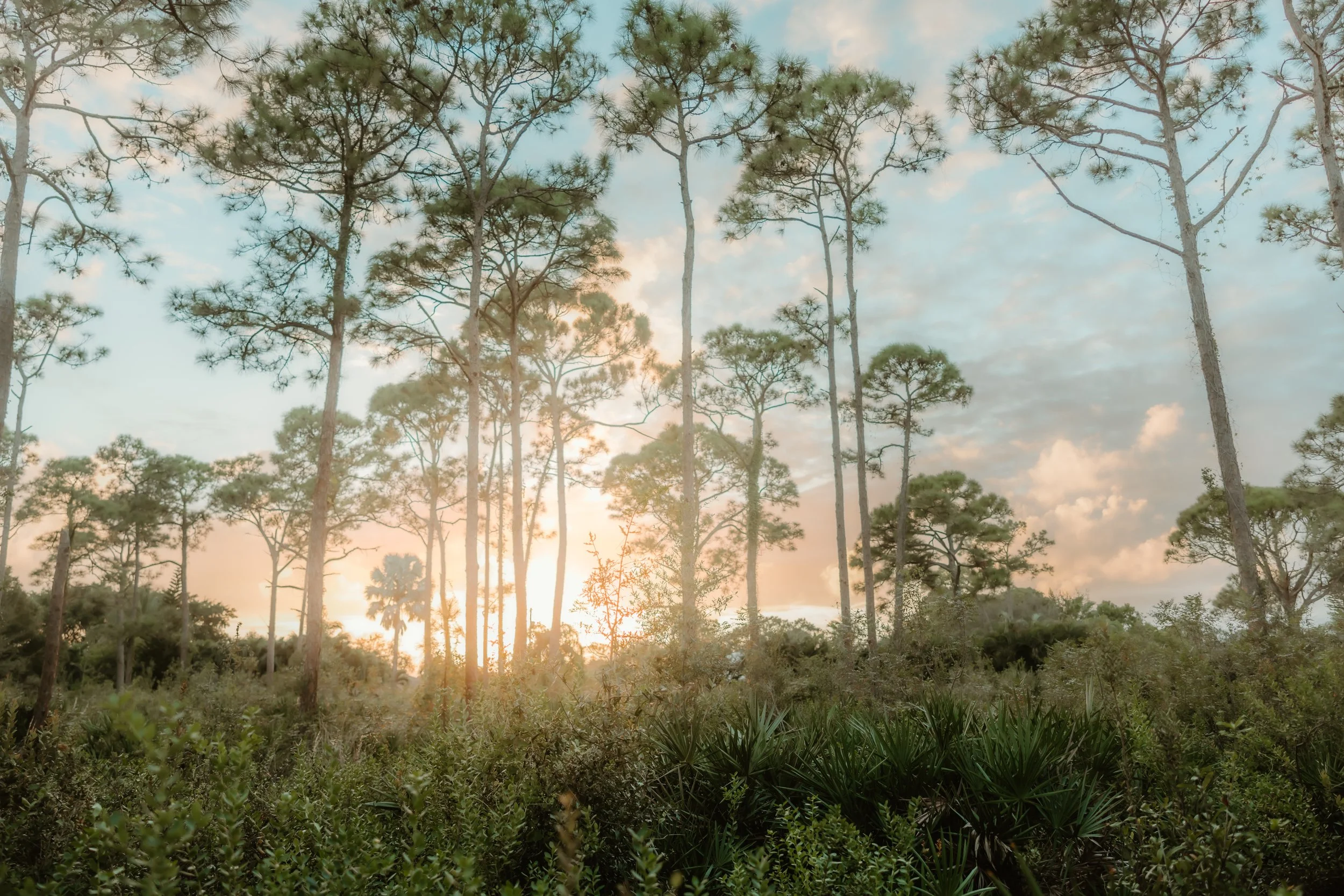
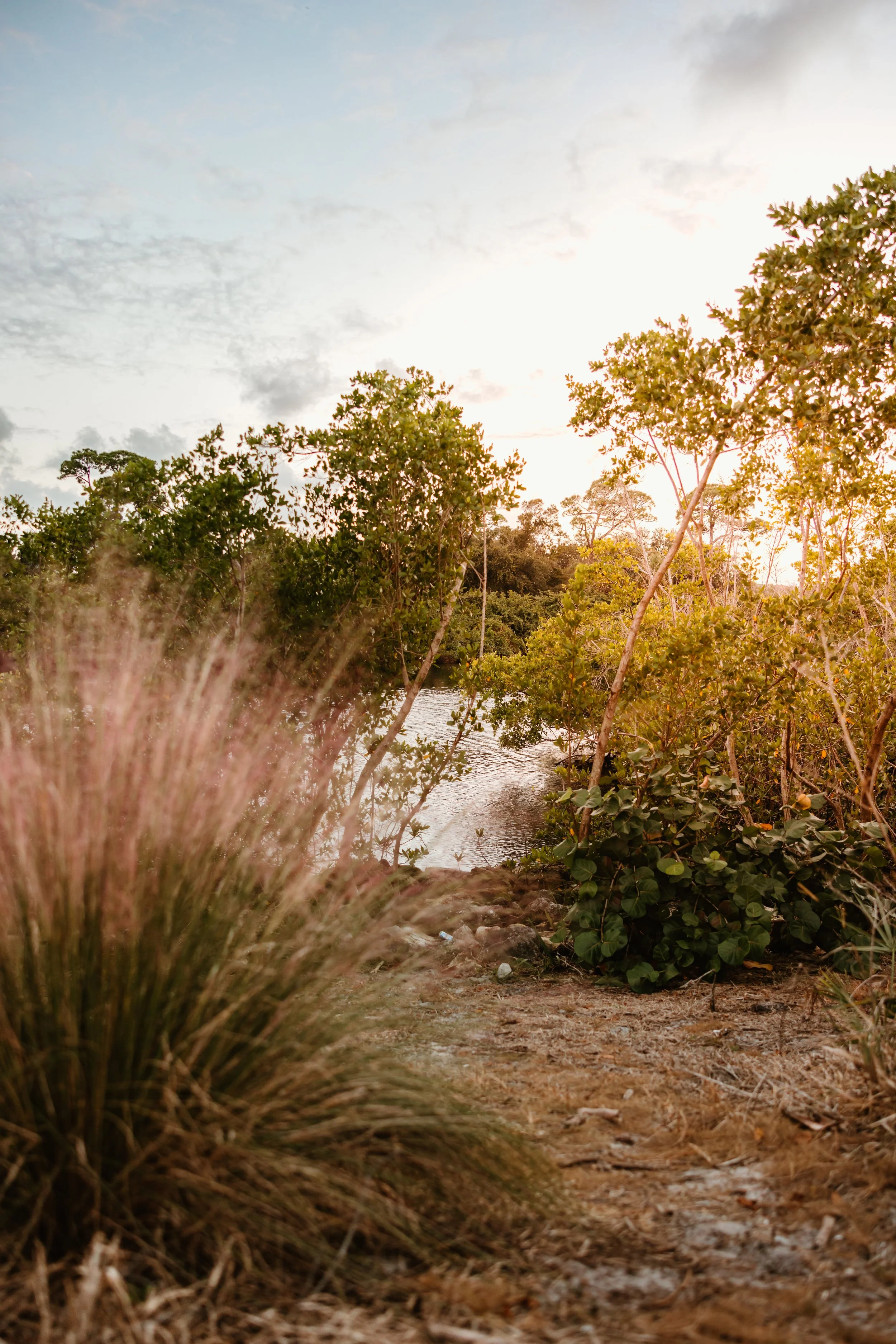
Loxahatchee River makes for great sunsets. Photos by Elizabeth Palace
But the area is also home to the most natural and wild areas of Palm Beach County. These tracts offer glimpses of what long-timers call Old Florida, where pine scrub and wetlands and native plants and wildlife exist right next to urban developments, and sometimes within them.
They are not parks, but natural preserves, stretching from far western Palm Beach County, to the headwaters of the Loxahatchee River in Riverbend Park, to the Atlantic Ocean.
More than 31,000 acres have been set aside by the state or county as conservation land, and are cared for by Environmental Resources Management.
Two are special: The Loxahatchee River is one of only two Wild and Scenic Rivers in Florida; many natural areas surround the river or its tributaries. And the natural areas around the lighthouse is nationally recognized as an Outstanding Natural Area.
Access is free to these nature sanctuaries, and open to the public from sunup to sundown for passive activities including hiking, bird watching, nature and environmental education, and photography.
While many have parking and restroom facilities and marked, paved trails, some are truly wild. Plan ahead with closed-toed shoes, bug repellent, and a cell phone — just in case.
There are rules to follow for all:
o No pets allowed
o No drones allowed
o Bicycling only on authorized trails
o No alcoholic beverages allowed
o Professional photography/videography sessions require a permit (561-233-2400)
o Equestrians require permits
o Hikers should be aware of flooding in low areas.
They all offer unique opportunities to reconnect, unplug, and enjoy the outdoor world. Here’s a look at some of the natural areas worth the hike.
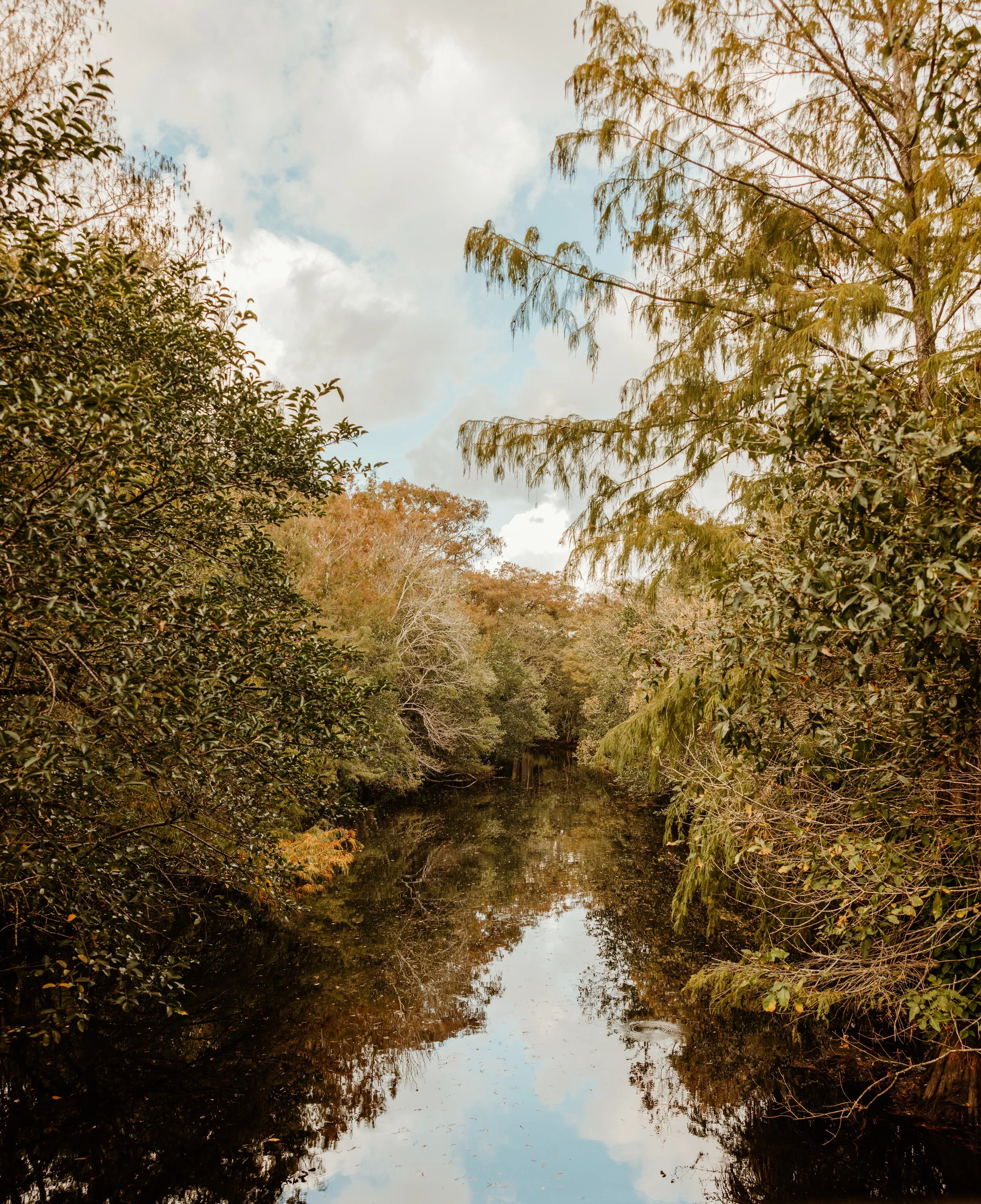
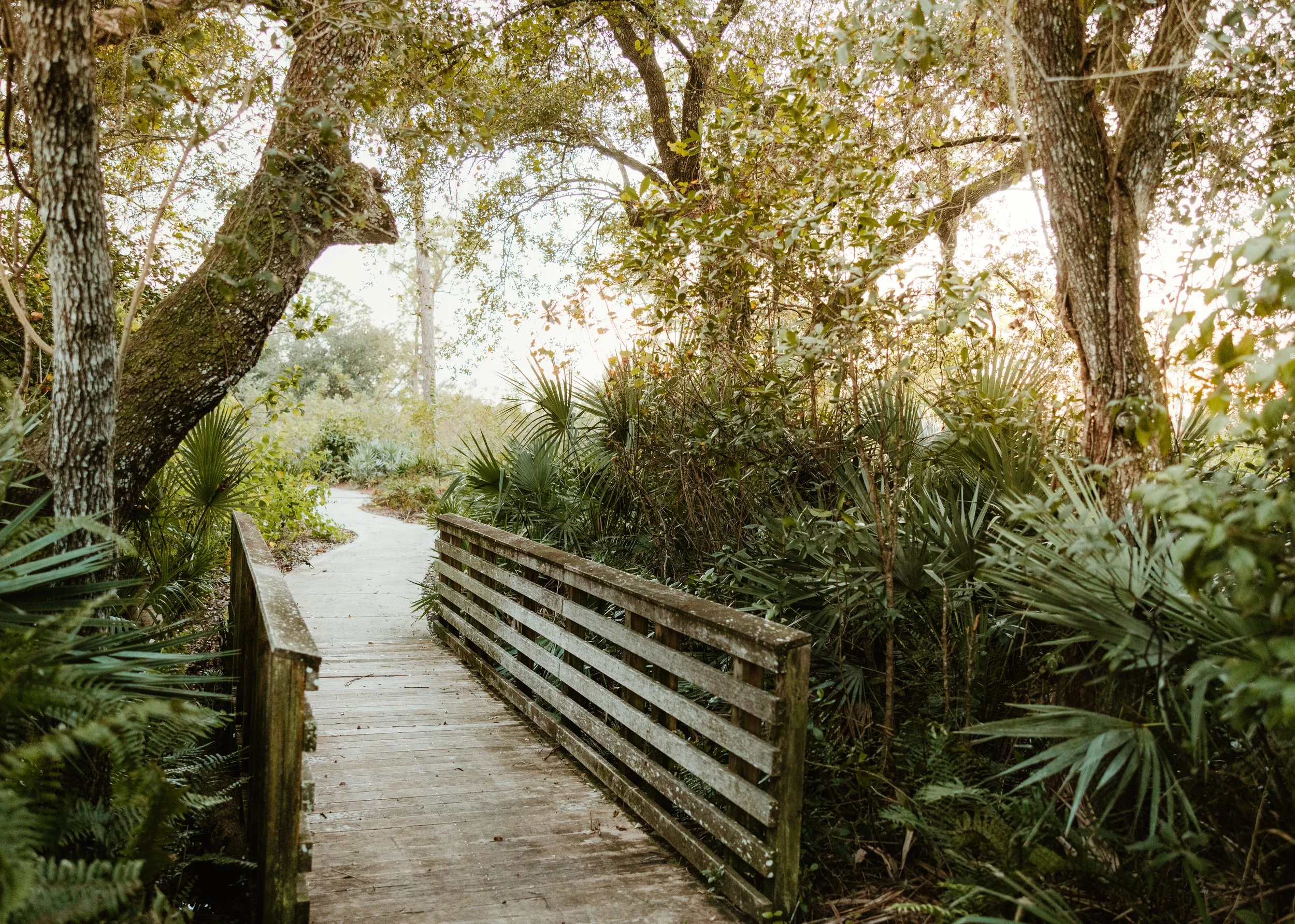
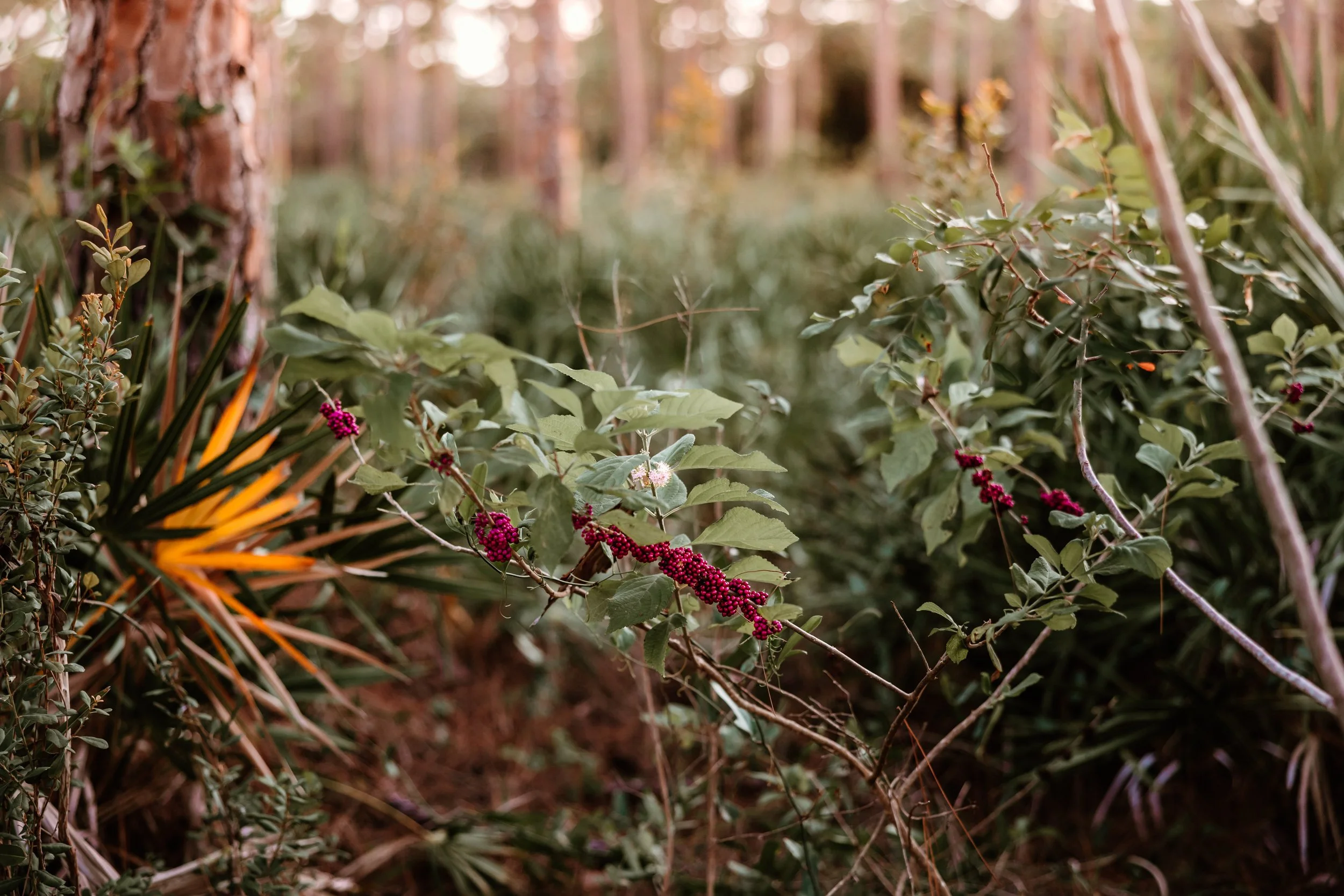
Pine Glades Natural Area, 14122 West Indiantown Road, Jupiter Farms.
Called a wading bird haven, the 6,651 acres is a giant wetland that attracts popular wading birds, including roseate spoonbills, great blue herons, little blue herons and white ibis.
Wildlife abounds; expect to see alligators, raccoons, deer and more.
Naturally, this site is popular with photogr phers.
Hike, cycle, or explore by water with kayaks and canoes. Miles of paved and sandy trails throughout.
This is a designated site of the Florida Greenways and Trails System
Cypress Creek, 10035 Indiantown Road (North parking lot); 9424 Indiantown Road (South parking lot), Jupiter.
This area spans both sides of Indiantown Road with more than 2,000 acres of flatwood, hydric hammock, wet prairie, dome swamp and Cypress Creek, a blackwater stream. More than 500 species of plants and 217 species of animals are at home here.
It’s a historic area as well, with Native American middens, remnants of the Rood Settlement dating to the early 1900s, and battlefield evidence from the Loxahatchee River Battle.
Explore by hiking, cycling, paddling, or on horseback.
There are covered observation areas in the northern section, and a fishing pier, kayak and canoe launch and observation tower in the southern section.
A designated site of the Florida Greenways and Trails System.
Note: As we go to press, some trails in the northern section are closed for maintenance.
Delaware Scrub, 47 N. Delaware Blvd., Jupiter.
Here’s your chance to visit nature in the smack middle of town.
A boardwalk leads through a natural cypress stand to the tidal swamp at Jones Creek, a tributary of the Loxahatchee River.
The 16-acre site packs a lot of natural area in the heart of town. Visitors encounter scrub, flatwoods, a dome swamp, mangrove swamp and salt marsh areas.
Hike a paved, one-third-mile trail, or paddle Jones Creek in a canoe or kayak (look for manatees).
A sturdy boardwalk throughout, wildlife observation platform and canoe and kayak tie-ups are here.
Jackson Riverfront Pines, 19745 Riverside Dr.
While there’s no designated parking area here, there’s plenty to explore in the 3 acres along the eastern shoreline of the north fork of the Loxahatchee River. Come by foot or paddle in.
Explore three native ecosystems: pine trees and saw palmetto in the scrubby flatwoods; live oaks and cabbage palms in the mesic hammock; and three types of mangroves and buttonwood in the mangrove swamp.
Be on the lookout for 60 species of native South Florida plants, and 39 species of of animals, including the American redstart, Florida prairie warbler, gopher tortoise, osprey, swallow-tailed kites and the Florida state mammal, the manatee.
North Jupiter Flatwoods, 3377 Church Street
The 160-acre site is home to several rare plants, including Atlantic St. John’s wort, the trumpet creeper and yellow Jessamine.
Several unique features include the wildlife crossing built under Island Way road to provide safe passage for animals.
Nearly two miles of paved and sandy trails provide solid hiking access, and there’s a boardwalk through the cypress swamp, along with a fishing pier and observation platform. Birdwatchers like it here.
North Jupiter Flatwoods is a Certified Autism Friendly site, designated by the FAU Center for Autism and Related Disabilities.
It is also a Florida Greenways and Trails designated site.
This was once a small blackwater stream, flowing over wetlands and swamplands nearby, and into the Loxahatchee River. Decaying vegetation caused tannins to leach into the water, making it acidic and dark as it is today.
The 52-acre site offers a number of ecosystems to explore on foot, or by boaters and paddlers. A fishermen’s favorite.
It features short, paved and sandy trails, and a multiuse trail connecting Island Way to Central Boulevard on both sides of the canal.
Note: Trails may flood after heavy rains
Jupiter Ridge, 1800 S. U.S. Highway 1, Jupiter
A large tract of 274 acres, the site features scrub land, depression marsh, a tidal swamp and flatlands. It’s a state owned conservation area, but managed by the county.
It fronts the Intracoastal Waterway where restoration efforts to shore up the erosion at the shoreline are under way.
For visitors, a double-loop trail winds 2.5 miles within the ridge. It is bisected by the Atlantic Coastal Ridge, ancient dunes covered in scrub vegetation and home to wildlife and native plants
Juno Dunes, oceanfront, 14200 S. U.S. Highway 1; west tract, 14501 S. U.S. Highway 1, Juno Beach
Welcome to the highest natural point in Palm Beach County.
With two separate tracts encompassing 569 acres to explore, visitors can hike from the Atlantic Ocean to the Intracoastal Waterway.
An ancient sand dune anchors the eastern oceanfront area, with a great view.
The western tract has several miles of trails, floating docks and a boardwalk, along with access for paddlers.
The oceanfront tract has parking available at Loggerhead Park, with restrooms. Paved trails and a covered viewing platform, along with a sandy trail to the ocean are here.
The western side also has a paved trail along with sandy trails to the Intracoastal. A boardwalk leads through a sawgrass wetland area, and tidal channels can be accessed by paddlers. The closest launch is at Bert Winters Park on Ellison Wilson Road.
This site is part of the Great Florida Bird and Wildlife Trail.
Jupiter Inlet Lighthouse Outstanding Natural Area, Northeast corner of US Highway 1 and Beach Road, Tequesta
This 120-acre property is designated the Jupiter Inlet Lighthouse Outstanding Natural Area (ONA), is both a local and national treasure. It is the only unit of the National Conservation Lands east of the Mississippi River, and the only one managed by the Bureau of Land Management’s Eastern States.
Find here an array of natural and cultural resources, including four sensitive habitats, 26 special-status species, and an archaeological record providing evidence of human occupation dating back over 5,000 years.
The site is accessible from both the north and south lots off Beach Road.
The area to the north features a small parking lot, information kiosk, a hardened trail and boardwalk, and an observation deck.
South of Beach Road and east of the lighthouse, a new trail is accessible by foot. Kiosks describe the plants and wildlife found here.
Note: The shoreline east of the lighthouse is particularly sensitive and dangerous because of erosion. The public is asked not to access this area above the median high water mark for safety reasons and to protect the dunes.
Visitors can take a guided tour of the ONA area provided by the Loxahatchee River Historical Society the first Saturday of the month. No bicycles or pets are allowed on the ONA trails.
For more information about all the natural areas in the county, including accessibility, closures and trail lengths, use the county’s website at: discover.pbcgov.org/erm/ Pages/Natural-Areas.aspx.
