Redefining Home After Life Changes in The Jupiter, Florida Area
Article by Debi Borger, DB Wellbeing

Home is often defined by a physical space, yet in health and wellness, home can also describe how supported your body feels in daily life. When changes happen at home, routines shift, schedules look different, and familiar habits may no longer fit. This is often when wellness practices need to evolve as well.
Life changes can range from remodeling a space or relocating to shifts in family dynamics, career demands, or more significant transitions such as separation or divorce. Regardless of the reason, changes at home often impact energy levels, sleep, stress, and consistency with movement. Rather than forcing old routines to work, this season offers an opportunity to redefine what supportive fitness and health habits look like now.
Fitness during times of change does not require pushing harder. It requires intention. Movement that feels accessible and repeatable helps rebuild consistency. Strength training, walking, mobility work, and low-impact cardio provide structure while supporting joint health, muscle balance, and mental clarity. The goal is not intensity for the sake of intensity, but to create routines that feel grounded and sustainable.
Recovery becomes just as important as movement. Changes at home often increase mental load and stress, which can affect sleep quality and overall recovery. Prioritizing rest days, mobility sessions, and proper cooldowns allows the body to adapt and reduces the risk of burnout or injury. Small habits such as consistent bedtimes, stretching, or breath-focused recovery work can significantly improve energy and performance.
Nutrition plays a key role in redefining the body's home. During periods of transition, simple and consistent fueling supports both fitness goals and overall health. Balanced meals, adequate protein, hydration, and regular eating patterns help stabilize blood sugar, support muscle recovery, and maintain focus throughout the day. Wellness thrives on consistency rather than complexity.
The environment also influences how supported the body feels. The space where you move and recover matters. Creating a simple area for workouts or stretching at home removes barriers to consistency. Music choices during workouts can also shift how movement feels. Energizing playlists can boost motivation, while slower rhythms support recovery and focus.
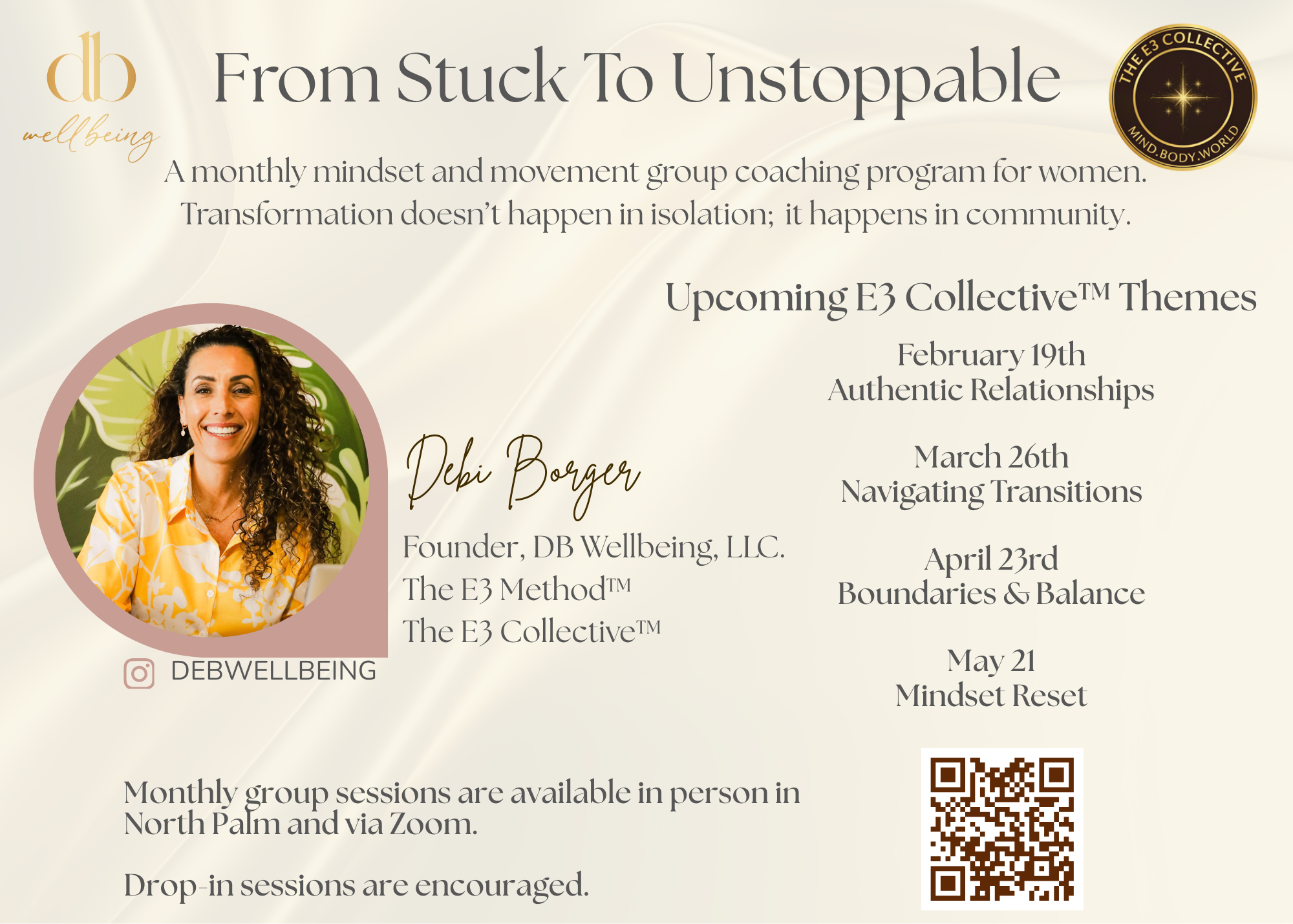
This integrated approach to fitness and wellness is the foundation of my work inside The E3 Method™, where mind, body, and community are supported together. Health becomes more sustainable when routines adapt to life rather than compete with it.
As March invites reflection on the meaning of home, consider how your fitness, nutrition, and recovery habits support where you are now. When routines feel aligned with your current season, the body responds with greater resilience, energy, and confidence.
More wellness insights and resources can be found at
https://dbwellbeing.com